
Under Arizona Revised Statute § 13-911, eligible individuals may petition the court to seal their arrest, charge, and conviction records from public view.
A criminal charge can continue affecting your future—even after the case has been dismissed. If the court grants your petition, you may generally state on employment, housing, financial-aid, and loan applications that you were never arrested, charged, or convicted of that crime, subject to certain legal exceptions.
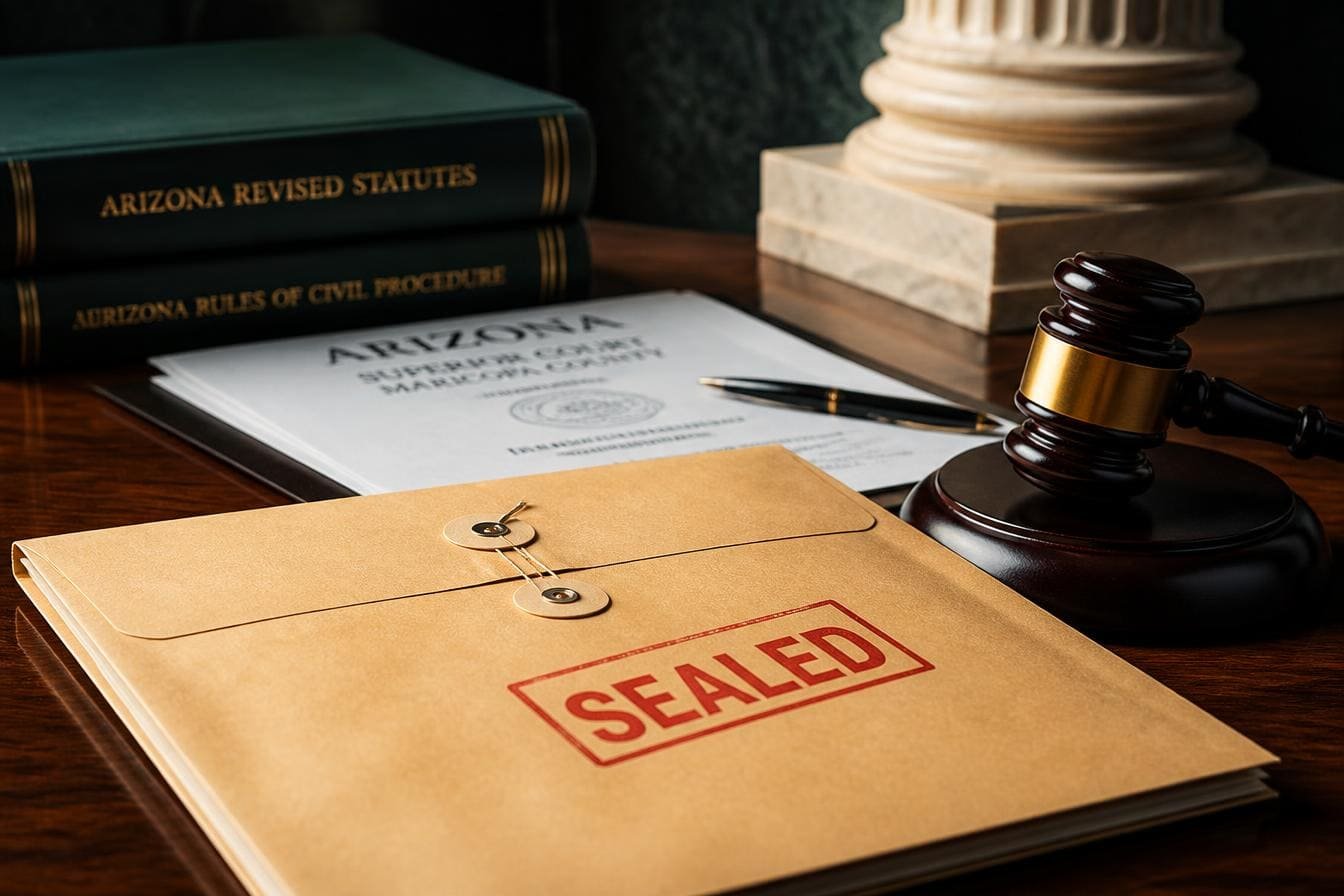
In many misdemeanor cases, Edward F. Cohn is able to negotiate a dismissal after the client successfully completes a formal or informal diversion program. Under Arizona law, eligible individuals may then petition the court to seal the records associated with the case.
Sealing a record does not erase it, but it does remove the record from public access. Once sealed, the individual generally may state on employment, housing, financial-aid, and loan applications that they were never arrested, charged, or convicted of that crime, subject to certain legal exceptions.
Each petition is reviewed by the court, and the outcome depends on the specific offense, case result, and individual circumstances.
Waiting periods generally include the following, depending on the level of offense and case outcome:
No waiting period
2 years
3 year
5 years
10 years
These timeframes are general guidelines. Eligibility depends on the specific offense, outcome, and circumstances of the case.
Eligibility depends on the specific offense, the final outcome of the case, and the circumstances surrounding the arrest or conviction.
Not every record qualifies for sealing under A.R.S. § 13-911. Certain offenses and case outcomes may prevent sealing, and additional requirements may apply depending on whether the case was dismissed, resulted in an acquittal, or ended in conviction. Contact our office to discuss whether your Arizona criminal record may qualify for sealing under A.R.S. § 13-911.
Not exactly. Sealing removes a record from public view but does not destroy it. Arizona does not have a general expungement law for most cases, so sealing under A.R.S. § 13-911 is the primary remedy available.
It depends on the offense and how the case ended. A dismissal or not-guilty verdict generally has no waiting period. Misdemeanors and felonies carry waiting periods ranging from two to ten years depending on the offense class.
Criminal Defense Attorney · Tucson, AZ
General information only, not legal advice. Chatting does not create an attorney-client relationship.